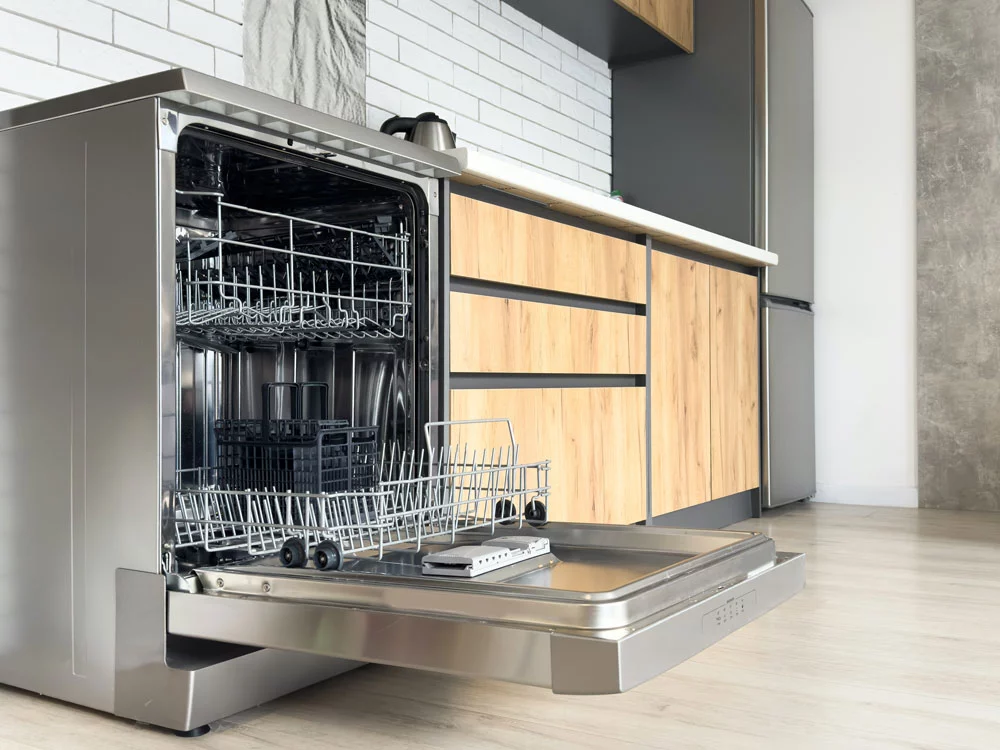
A dishwasher is supposed to make life easier, not create more work. When it stops doing its job, the problem usually has a root cause that can be identified and fixed. Whether you are dealing with a minor maintenance issue or something that requires professional dishwasher repair in Miami, FL, understanding why your appliance is underperforming is the first step toward getting it back in working order.
1. Clogged Dishwasher Spray Arms Are One of the Most Common Culprits
The spray arms in your dishwasher are responsible for distributing water throughout the machine during a wash cycle. They spin and shoot pressurized water at your dishes from multiple angles, breaking down food particles and washing away grease. When the small holes in these arms become blocked, water cannot flow freely, and your dishes end up sitting in a machine that is going through the motions without actually cleaning anything.
Clogged dishwasher spray arms are often caused by mineral deposits from hard water, food debris, and even tiny pieces of broken glass or plastic that find their way into the spray holes. Over time, these blockages build up gradually, so you might not notice the decline in cleaning performance right away.
To check for this problem, remove the spray arms (most models allow you to unscrew or unclip them easily) and hold them up to the light. If the holes look blocked or narrow, use a toothpick or a thin wire to clear them out. Then rinse the arms under warm running water before reattaching them. This simple step, done every few months as part of your dishwasher maintenance routine, can make a noticeable difference in cleaning performance.
If your spray arms are cracked, warped, or too far gone to clean effectively, replacing them is usually inexpensive and straightforward. For homeowners in South Florida dealing with notoriously hard water, this is a maintenance task that deserves extra attention.
2. A Dirty or Blocked Filter Is Silently Sabotaging Your Wash Cycles
Modern dishwashers rely on a filter system at the bottom of the tub to trap food particles and prevent them from recirculating onto your dishes. When that filter gets clogged, the dirty water has nowhere to go except back over your plates and bowls. The result is dishes that come out looking worse than when they went in.
Many homeowners do not even realize their dishwasher has a removable filter, let alone that it needs to be cleaned regularly. If you have never cleaned yours, there is a good chance it is overdue. Most filters are located beneath the bottom spray arm and can be twisted out by hand. Once removed, rinse it under warm water and scrub it gently with a soft brush to remove any trapped grease or food buildup.
As a general dishwasher maintenance tip, plan to clean the filter at least once a month if you run your machine frequently. For households that cook a lot or have larger families, cleaning it every two weeks is not unreasonable. Neglecting this one component is one of the most common reasons homeowners end up calling for appliance repair in Miami, FL, when the fix could have been as simple as a five-minute cleaning task.
3. Hard Water and Detergent Issues Can Leave Dishes Cloudy and Spotted
South Florida is known for its hard water, and Miami, FL, is no exception. Hard water contains high levels of minerals, particularly calcium and magnesium, which leave white residue and spots on glassware and dishes. Over time, this mineral buildup can also coat the interior walls of the dishwasher, the spray arms, and even the heating element, reducing the overall efficiency of the machine.
Using the wrong detergent or the wrong amount can compound the problem. Too little detergent means dishes do not get clean. Too much detergent can leave a soapy film that is hard to rinse away. Powder detergents that have been sitting open too long can clump and lose their effectiveness. Pods and tablets are generally more consistent, but even those need to be stored properly to maintain their potency.
To combat hard water issues, consider adding a rinse aid to your dishwasher’s rinse aid dispenser. Rinse aid helps water sheet off dishes instead of forming droplets that dry into spots. You can also run a dishwasher cleaning cycle with a citric acid-based cleaner or white vinegar once a month to dissolve mineral deposits inside the machine. These are easy, low-cost dishwasher maintenance tips that can dramatically improve results without any professional intervention.
If the hard water problem in your home is severe, a whole-house water softener or an inline filter for your dishwasher supply line may be worth the investment. A local appliance repair specialist in Miami, FL, can help you assess what makes the most sense for your situation.
4. Low Water Temperature and Insufficient Water Pressure Reduce Cleaning Power
Dishwashers need hot water to dissolve grease, activate detergent, and sanitize dishes effectively. Most manufacturers recommend that the water entering the dishwasher be at least 120 degrees Fahrenheit. If your water heater is set too low, or if the hot water has to travel a long distance through your pipes before reaching the dishwasher, the water may arrive cooler than it needs to be.
A simple trick to improve this is to run your kitchen sink’s hot water for about 30 seconds before starting the dishwasher. This clears the cool water sitting in the pipes and allows hot water to enter the machine right from the start of the cycle.
Low water pressure is another factor that can compromise cleaning performance. The dishwasher needs adequate pressure to fill properly and to give the spray arms the force they need to do their job. If the water inlet valve is partially clogged or failing, water may trickle in slowly, leaving the machine underfilled. A worn or faulty inlet valve typically requires professional dishwasher repair to fix correctly, especially if you are not comfortable working with water supply lines.
Residents dealing with these issues should not hesitate to contact a qualified appliance repair service in Miami, FL. Catching a failing inlet valve early can prevent a more costly repair down the road.
5. Overloading and Incorrect Loading Habits Undermine Even a Healthy Dishwasher
Even a perfectly maintained dishwasher will underperform if dishes are loaded incorrectly. Overloading the racks, nesting bowls or plates too closely together, and blocking the spray arms with large pots or cutting boards are all habits that prevent water from reaching every surface.
Cups and bowls should always face downward so water can drain out rather than pool inside them. Plates should be spaced apart and angled toward the spray arm. Tall items should go along the sides and back of the bottom rack to avoid blocking the detergent dispenser or the upper spray arm.
Making sure the detergent dispenser can open freely during the wash cycle is just as important. If a large bowl or pan is positioned right in front of it, the soap will not dispense properly, and the entire wash cycle will be compromised from the start.
Conclusion
A dishwasher that is not cleaning dishes properly is almost always pointing to one of these core issues: clogged spray arms, a dirty filter, hard water buildup, temperature or pressure problems, or poor loading habits. Addressing these with regular dishwasher maintenance tips will keep your appliance running efficiently for years. When the problem goes beyond basic upkeep, working with a trusted provider of dishwasher repair and appliance repair in Miami, FL, ensures the job gets done right.
Need Appliance Repair & Maintenance Near You?
Whether your washer, dryer, refrigerator, freezer, oven, cooktop, microwave, or dishwasher is giving you trouble, our expert technicians are ready to bring reliable, professional service right to your door. We work on all major brands, including Admiral, Amana, Electrolux, Frigidaire, GE, Kenmore, LG, Maytag, Subzero, Whirlpool, and more, and we’d love the opportunity to show you why generations of Miami homeowners continue to count on us. Reach out to us today and let us get your home running smoothly again!
When your oven or stove stops working properly, it can disrupt your daily routine and make meal preparation impossible. Homestead, Florida residents who rely on these essential kitchen appliances know how frustrating an unexpected breakdown can be. Whether you’re dealing with a gas stove that won’t ignite or an oven that’s heating unevenly, understanding common issues and their solutions can help you decide whether to attempt a quick fix or call a professional.
This comprehensive guide explores the most frequent oven and stove problems in Homestead, FL, and provides practical information to help you get your appliances back in working order.
Understanding Your Oven and Stove Systems
Before diving into specific repair issues, it’s helpful to understand how modern ovens and stoves operate. Most homes in Homestead, FL feature either electric or gas-powered appliances, each with unique components and potential failure points. Electric stoves use heating elements and coils, while gas stoves rely on ignition systems and burner valves. Your oven, whether electric or gas, contains a heating element or burner, a thermostat to regulate temperature, and a control board that manages functions.
Understanding these basic components helps you communicate more effectively with appliance repair professionals and recognize when a problem requires professional intervention rather than DIY attempts.
Common Oven Problems and How to Fix Them
Ovens in Homestead, FL homes encounter several recurring issues that owners can often identify and resolve. One of the most common problems is an oven that doesn’t heat evenly, causing some dishes to cook faster than others. This issue frequently stems from a faulty heating element or a malfunctioning thermostat that fails to maintain consistent temperature. If your oven isn’t heating at all, check that it’s properly plugged in or that the circuit breaker hasn’t tripped. For gas ovens, ensure the gas supply valve is open and the igniter is functioning.
Another prevalent issue affecting oven repair in Homestead, FL is when the oven door won’t close or seal properly. A broken door latch prevents the oven from reaching the correct temperature and can also create safety concerns. The door gasket, which creates an airtight seal, may also wear out over time, especially in Florida’s hot, humid climate. In some cases, simply cleaning the gasket and hinges resolves the problem, but replacement may be necessary if the seal is damaged.
Some homeowners notice their oven produces unusual smells or smoke during operation. While a small amount of smoke when preheating a new oven is normal, persistent smoke indicates burning food residue, damaged insulation inside the oven walls, or a faulty heating element. Cleaning the oven thoroughly can resolve minor smoke issues, but burning electrical components require professional attention to prevent fire hazards.
Stove Repair Issues Common to Homestead Residents
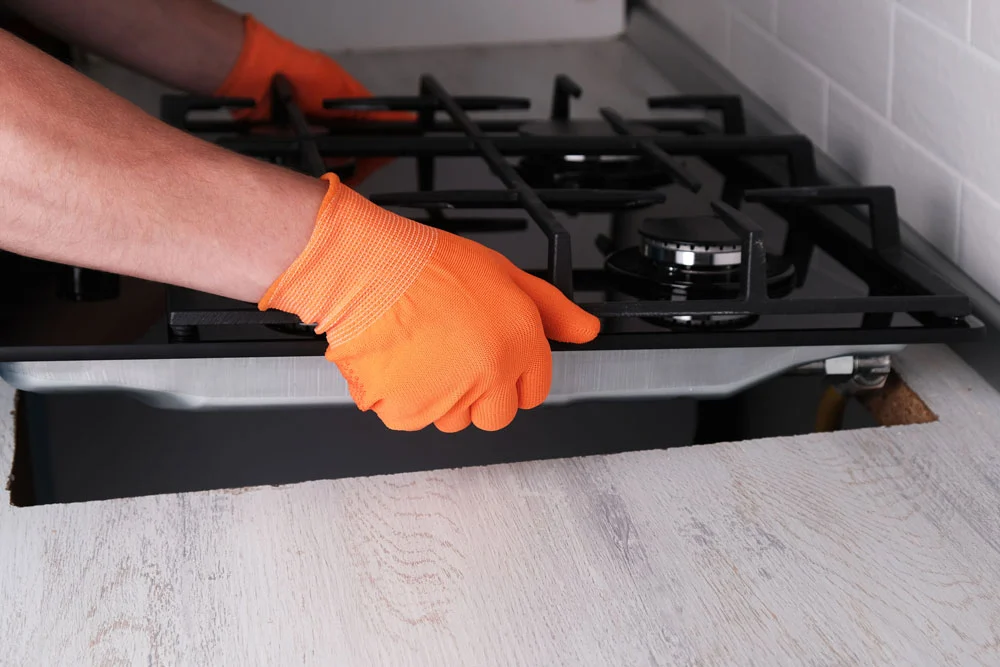
Stove repair in Homestead, FL addresses problems that range from simple to complex. Burners that won’t heat properly are among the most frequent complaints from local residents. On electric stoves, a faulty burner coil can usually be replaced easily, though you should ensure the stove is unplugged before attempting any work. If multiple burners aren’t working, the problem may lie with the control switch or the infinite switch that regulates heat levels.
Gas stove burners present different challenges. If your burner ignites but produces weak flames or won’t stay lit, the issue could involve the igniter, gas valve, or burner cap. Clogged burner ports prevent proper gas flow and can be cleaned with a small pin or needle. For safety reasons, gas stove repair in Homestead, FL should involve a professional if you suspect gas line problems or detect gas leaks.
Uneven cooking surfaces create frustration for many homestead cooks. A stovetop that slopes or has uneven heat distribution may have bent cooktop surfaces that require professional flattening or replacement. Some newer stoves feature digital controls that occasionally malfunction or freeze, preventing you from adjusting heat levels or turning off the burners. These issues typically require replacing the control board through appliance repair specialists.
When to Call a Professional for Appliance Repair in Homestead, FL
While some oven and stove problems can be resolved through basic troubleshooting, many situations require the expertise of a qualified technician. If you smell gas leaking from your stove, stop using it immediately and contact a professional. Gas leaks pose serious safety risks and should never be ignored. Similarly, if your oven or stove produces electrical sparks, burns, or strange odors that cleaning doesn’t resolve, professional evaluation is essential.
Appliance repair in Homestead, FL becomes necessary when internal components malfunction. Faulty heating elements, broken igniters, damaged thermostats, and malfunctioning control boards require specialized tools and knowledge to replace safely. Attempting complex repairs without proper training can void your appliance’s warranty, create safety hazards, and potentially cause more expensive damage. Professional appliance repair technicians in Homestead have access to genuine replacement parts and understand the specific requirements of different appliance brands and models.
The age of your appliance also influences repair decisions. Older ovens and stoves may require hard-to-find replacement parts, making repairs more expensive. In such cases, replacing the appliance might prove more cost-effective than repairing it. A qualified technician can assess whether repair or replacement makes sense for your situation.
Preventative Maintenance for Long-Lasting Appliances
Extending the life of your oven and stove through preventative maintenance reduces the need for emergency repairs. Regular cleaning removes food buildup and grease that can damage components and create fire hazards. For gas stoves, ensure burner caps are properly seated to maintain even heat distribution. Clean cooktop surfaces regularly with appropriate cleaners to prevent scratches and corrosion.
Check your oven door seals periodically to ensure they maintain proper contact with the frame. In Florida’s humid climate, moisture can affect seals and gaskets, so occasional inspection helps catch problems early. For gas stoves and ovens, have a professional inspect the gas connections annually to ensure there are no leaks or corrosion issues. Keep the area around your appliances clear of clutter and ensure proper ventilation through your range hood or vent system.
If you experience minor issues like a burner not igniting on the first try or slight uneven heating, address them promptly before they become major problems. Scheduling annual maintenance inspections can catch potential issues before they cause complete appliance failure.
Finding Reliable Appliance Repair Services in Homestead
When you need professional stove repair or oven repair in Homestead, FL, choosing a qualified technician ensures proper diagnosis and quality repairs. Look for service providers with strong local reputations, proper licensing, and insurance coverage. Many reputable technicians offer emergency service options, which is invaluable when your appliances fail at inconvenient times. Reading customer reviews and asking for references helps you identify reliable professionals in your area.
Reliable appliance repair services in Homestead, FL provide upfront pricing estimates, warranty protection on repairs and parts, and clear communication about what’s wrong and how to fix it. Don’t hesitate to ask questions about the repair process or request clarification on any aspects you don’t understand.
Conclusion
Oven and stove problems are inevitable parts of appliance ownership, but understanding common issues and knowing when to seek professional help keeps your kitchen functioning smoothly. Whether you’re dealing with basic troubleshooting or complex repairs, Homestead, FL residents have access to quality appliance repair services. By maintaining your appliances properly and addressing problems promptly, you ensure many more years of reliable cooking performance in your Homestead home.
Need Appliance Repair & Maintenance Near You?
Whether your washer, dryer, refrigerator, freezer, oven, cooktop, microwave, or dishwasher is giving you trouble, our expert technicians are ready to bring reliable, professional service right to your door. We work on all major brands, including Admiral, Amana, Electrolux, Frigidaire, GE, Kenmore, LG, Maytag, Subzero, Whirlpool, and more, and we’d love the opportunity to show you why generations of Miami homeowners continue to count on us. Reach out to us today and let us get your home running smoothly again!
Few household appliances are used as frequently as the clothes dryer. For busy households in Miami, the dryer plays an important role in keeping laundry routines moving smoothly. When the dryer suddenly stops producing heat, however, the inconvenience quickly becomes frustrating. Wet clothes pile up, laundry schedules fall behind, and homeowners are left wondering what went wrong.
A dryer that spins but does not generate heat is one of the most common appliance issues homeowners encounter. Whether the unit runs on electricity or gas, several components must work together to produce the heat necessary for drying clothes effectively. When one of those parts fails, the dryer may continue operating but leave clothing damp.
For homeowners searching for dryer repair in Miami, understanding the potential causes can help determine when professional service is needed. Experienced technicians like those at Glyn’s Appliance Repair Service regularly diagnose these issues and provide fast, reliable solutions for Miami households and property managers who depend on functioning appliances every day.
The Most Common Reasons a Dryer Stops Heating
When a dryer stops heating, the issue can often be traced to a handful of key components. Dryers rely on heating elements, thermostats, airflow systems, and electrical or gas supply to operate correctly. A failure in any of these areas can interrupt the heating process.
In electric dryers, the heating element is one of the most common causes of heat loss. This component generates heat when electrical current passes through a coil. Over time, the element can burn out or become damaged, preventing the dryer from producing the heat necessary to dry clothes.
For gas dryers, heating depends on the ignition system and gas valve. If the igniter fails or the gas valve malfunctions, the dryer will not be able to produce heat even though the drum continues to spin.
Another frequent cause is a faulty thermostat. Dryers rely on thermostats to regulate internal temperature and prevent overheating. If the thermostat fails, it may shut down the heating cycle entirely or allow the dryer to run without producing heat.
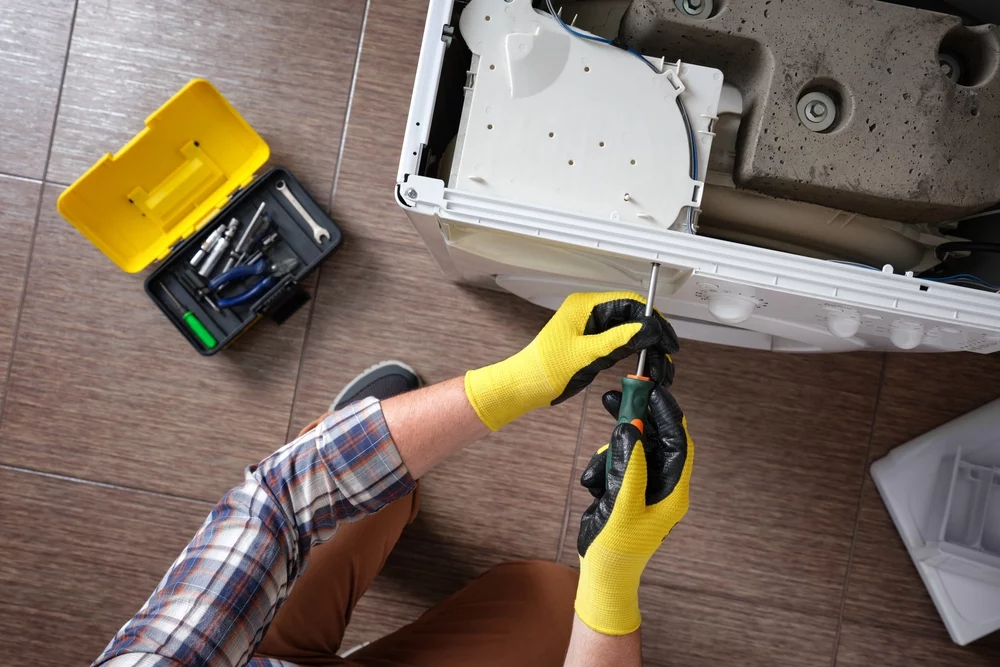
Because these issues require specialized tools and knowledge to diagnose accurately, professional appliance repair in Miami, FL is often the most reliable solution.
Electric Dryer Not Heating: What Could Be Wrong
Electric dryers are widely used in Miami homes and condominiums. When an electric dryer not heating issue occurs, several components may be responsible.
One of the most common problems involves the heating element itself. Over time, the coil inside the heating element can break due to repeated heating and cooling cycles. When this happens, the dryer will run but produce no heat.
Another possible cause is a blown thermal fuse. The thermal fuse acts as a safety device that shuts off the heating element if the dryer overheats. Once the fuse blows, the dryer cannot generate heat until the fuse is replaced.
Electrical issues can also contribute to heating failure. Electric dryers require a 240-volt power supply to operate the heating element properly. If the outlet or circuit breaker only delivers partial power, the dryer may spin but fail to heat.
Diagnosing these issues often requires specialized testing equipment. A local dryer repair company like Glyn’s Appliance Repair Service can quickly determine whether the problem involves the heating element, fuse, or electrical supply.
Their experienced technicians regularly service major appliance brands and provide same-day appliance repair for many Miami-area customers.
Gas Dryer Not Heating: Ignition and Gas Flow Problems
Gas dryers rely on a completely different heating process. Instead of using an electric coil, gas dryers generate heat through a gas burner that ignites inside the appliance.
When a gas dryer not heating problem occurs, the issue often involves the ignition system. The igniter is responsible for lighting the gas burner. If the igniter fails, the gas cannot ignite and the dryer will produce no heat.
Another potential issue involves the gas valve solenoids. These components control the flow of gas to the burner. If the solenoids malfunction, the gas supply may stop before ignition can occur.
In some cases, the dryer may begin heating briefly but shut off before completing the cycle. This can indicate a failing thermostat or sensor that incorrectly detects overheating.
Because gas dryers involve combustible fuel, attempting DIY repairs can be dangerous. Professional technicians trained in appliance repair understand how to safely diagnose and repair gas appliances.
Glyn’s Appliance Repair Service has extensive experience diagnosing both electric and gas dryers throughout Miami and surrounding communities. Their technicians provide honest diagnostics and transparent pricing so homeowners know exactly what to expect.
Dryer Vent Blockages and Miami’s Humid Climate
Not all heating problems originate inside the dryer itself. In many cases, poor airflow caused by clogged dryer vents can prevent the appliance from heating properly.
Dryers rely on proper ventilation to remove heat and moisture from the drum. If the vent becomes clogged with lint or debris, airflow becomes restricted. This can cause the dryer to overheat and trigger safety mechanisms that shut down the heating element.
Miami’s humid climate can make this problem even worse. Moist air combined with lint buildup can create thick blockages inside dryer vents, reducing airflow and increasing fire risk.
Clogged vents are also one of the leading causes of dryer-related house fires. When lint accumulates inside the vent system, it can ignite if the dryer overheats.
Dryer vent cleaning in Miami is an important preventative maintenance service that helps protect both appliances and homes. Professional technicians can remove lint buildup and restore proper airflow, improving dryer efficiency and reducing safety risks.
Many homeowners are surprised to discover that poor ventilation is the reason their dryer stopped heating. A professional inspection can quickly determine whether the issue lies within the dryer or the vent system.
Why Professional Dryer Repair Is the Safest Option
When appliances stop working, it can be tempting to attempt a quick fix using online tutorials or DIY solutions. While some minor issues can be addressed safely, dryers involve electrical systems, gas connections, and high temperatures that require professional expertise.
Improper repairs can create serious safety hazards. A poorly installed heating element or thermostat can cause the dryer to overheat, increasing the risk of fire. Gas dryer repairs can be especially dangerous if gas lines are handled incorrectly.
Professional technicians are trained to diagnose problems accurately and repair appliances safely. Licensed repair specialists use proper testing equipment to identify the exact cause of heating issues, preventing unnecessary part replacements.
Homeowners in Miami often need fast service when appliances fail. Glyn’s Appliance Repair Service offers same-day appliance repair for many dryer issues, helping households restore their laundry routines quickly.
Their technicians have experience servicing major appliance brands and diagnosing complex heating problems. By providing honest recommendations and transparent pricing, they help homeowners make informed decisions about their appliances.
For property managers, landlords, and real estate investors, reliable appliance repair services are essential for maintaining rental properties and ensuring tenant satisfaction.
Keeping Your Dryer Running Efficiently
A dryer that stops heating can disrupt daily routines, especially in busy Miami households where laundry is a constant necessity. While heating problems can stem from several causes, professional diagnosis ensures the issue is resolved quickly and safely.
From heating element failures in electric dryers to ignition issues in gas dryers, experienced technicians understand how to identify and repair these problems efficiently. Routine maintenance such as dryer vent cleaning can also help prevent future issues while improving appliance performance.
For homeowners seeking dryer repair in Miami, working with a trusted local dryer repair company provides peace of mind. Experienced technicians, fast response times, and honest service help restore appliances without unnecessary delays.
Glyn’s Appliance Repair Service continues to serve Miami and surrounding communities with reliable appliance repair solutions designed for busy households. Whether diagnosing an electric dryer not heating issue or repairing a gas dryer that has lost heat, their team helps ensure that appliances operate safely and efficiently once again.
When your washer stalls mid-cycle or your refrigerator starts making strange noises, the first question that often comes to mind is whether you should repair or replace it. In South Florida, especially in high-use areas like Miami, FL, where appliances work hard year-round, making the right choice can save time, money, and stress. Understanding the signs your appliance needs repair rather than a full replacement is key to making an informed decision. This guide outlines the crucial indicators to help you determine the best course of action.
Age Is Not Always the Final Word
A common misconception is that older appliances should be automatically replaced. While age is a factor, it shouldn’t be the only one. Many appliances, particularly those built ten or more years ago, were designed for longevity and have a strong track record of performance. A washing machine or refrigerator that is 8 to 12 years old may still have several good years left if well maintained and serviced promptly when issues arise.
In South Florida, where humidity and salty air can impact appliance performance over time, proper maintenance plays an even more crucial role. If your appliance is functioning reasonably well aside from a specific issue and its performance hasn’t significantly declined, repair is often the smarter option. Working with a trusted provider for appliance repair in Miami, FL ensures that you extend the life of your investment without jumping to premature replacement.
Performance Changes Can Be Reversible
Performance issues are often viewed as the death knell for household appliances, but this isn’t always the case. If your dishwasher is not cleaning dishes effectively or your dryer is taking longer to dry clothes, it could be the result of a clogged filter, faulty thermostat, or a worn-out heating element. These problems are typically inexpensive and straightforward to repair.
In South Florida homes, the frequent use of appliances means parts wear out faster, but they are also frequently designed to be replaceable. A service technician can diagnose and fix performance dips, bringing your appliance back to like-new functionality. Before considering a costly replacement, consult a local expert in appliance repair in South Florida who can evaluate whether the issue is simply a minor fix.
Strange Noises or Smells Often Have Clear Causes
When appliances begin to make unusual sounds or emit strange odors, many homeowners immediately assume the worst. However, these issues often point to replaceable components rather than total system failure. For example, a noisy refrigerator might have a loose fan or motor component, while a burning smell from your oven may signal a failing wire or connector that can be swapped out safely.
In homes throughout Miami, FL, where appliances endure heavy use, sounds and smells are often the result of wear and tear that can be corrected with a tune-up. If caught early, these warning signs are strong indicators that your appliance needs repair, not replacement. Having a professional appliance repair technician inspect the unit can uncover the root of the problem and restore safe operation without the high cost of buying new.
Energy Bills Suddenly Spike Without Explanation
Unusual increases in utility bills can be another sign your appliance needs repair. Appliances that begin to use more electricity or water than normal are typically working inefficiently due to an internal issue. An aging refrigerator with a worn-out compressor, for example, may run constantly in an attempt to maintain a consistent temperature. A water heater with sediment buildup will work harder to heat water, using more energy in the process.
In the hot and humid climate of South Florida, energy efficiency is critical for controlling household costs. When you notice higher bills and suspect an appliance is to blame, it may not be time for a full replacement just yet. Often, cleaning internal components or replacing one part can restore energy efficiency. A qualified appliance repair professional can test efficiency levels and address the issue before it worsens.
Repairs Cost Significantly Less Than Replacements
One of the clearest signs your appliance needs repair instead of replacement is the cost comparison. As a rule of thumb, if the repair cost is less than 50 percent of the price of a new appliance, repair is usually the more practical choice. Many appliance problems fall into this category, particularly those involving thermostats, motors, belts, seals, or electronic controls.
In Miami, FL and surrounding South Florida areas, the high cost of living means that household budgets are often tight. Choosing repair over replacement can keep expenses in check while still ensuring your appliances remain functional and safe. Technicians can often perform same-day repairs, minimizing downtime and inconvenience, which adds even more value to choosing repair.
When weighing the decision of repair vs replace appliances, also consider hidden costs like delivery fees, installation charges, and the time spent researching and shopping for a replacement. These added burdens rarely make sense when a quick and affordable fix is available.
Conclusion
Deciding between repair and replacement is not always straightforward, but understanding the signs your appliance needs repair can save you money and reduce waste. In South Florida’s demanding climate, where appliances are pushed to their limits, knowing when to call for help can make a big difference.
Whether you’re dealing with inconsistent performance, strange noises, rising utility bills, or just the natural effects of aging appliances, there is often a repair solution that can restore functionality quickly and affordably. For homeowners in Miami, FL, professional appliance repair services offer peace of mind, ensuring your household runs smoothly without unnecessary expenses.
Before you replace a trusted appliance, take the time to consult a technician. What seems like a serious problem may turn out to be a minor issue. Choosing repair first helps you make the most of your investment while reducing environmental impact. With the right care and timely service, your appliances can serve your home well for many years to come.
Need Appliance Repair & Maintenance Near You?
Whether your washer, dryer, refrigerator, freezer, oven, cooktop, microwave, or dishwasher is giving you trouble, our expert technicians are ready to bring reliable, professional service right to your door. We work on all major brands, including Admiral, Amana, Electrolux, Frigidaire, GE, Kenmore, LG, Maytag, Subzero, Whirlpool, and more, and we’d love the opportunity to show you why generations of Miami homeowners continue to count on us. Reach out to us today and let us get your home running smoothly again!
When your refrigerator stops cooling or your washing machine refuses to spin, it disrupts your entire day. In a place like Miami, FL, where daily routines rely heavily on functioning household appliances, getting a quick and efficient fix becomes a top priority. Choosing the right appliance repair service is not just about convenience, it’s about trust, speed, and local expertise. While national chains might offer broad services, opting for a local appliance repair company in Miami brings unique advantages that significantly improve the experience and outcome. Here’s why choosing local makes a real difference.
Immediate Response Times and Faster Repairs
Living in Miami comes with its own pace and rhythm. Whether you are dealing with a broken oven in a busy family kitchen or a malfunctioning air conditioner during the humid Florida summer, every minute counts. Local appliance repair companies in Miami can respond more quickly than national services that may have limited technicians in the area or require extended appointment windows.
Because they operate within the community, local repair services can often schedule same-day or next-day visits. These businesses are familiar with the neighborhoods, traffic patterns, and peak times, so they can provide realistic appointment windows and show up on time. The urgency that local providers bring is essential for reducing appliance downtime and getting your household back to normal quickly.
Additionally, many local appliance repair companies stock common parts for appliances frequently used in Miami homes. This means they can complete repairs on the first visit more often, eliminating the delays caused by ordering parts from remote warehouses.
Personalized Service and Community Commitment
When you choose a local appliance repair service in Miami, you’re working with a company that is genuinely invested in the community. These businesses build their reputations through word of mouth and customer satisfaction, not just online advertising or brand recognition. Because their success depends on local relationships, you can expect a level of personal attention and care that national chains struggle to match.
Local technicians often go the extra mile to explain the issue, offer maintenance tips, and follow up after a repair. Their goal is not just to fix the problem, but to earn your trust and future business. This level of dedication leads to stronger relationships, more transparency, and a sense of accountability.
Moreover, when you support a local appliance repair company in Miami, you’re also contributing to the local economy. You help sustain small businesses, keep jobs within the community, and foster an environment where service quality matters more than volume.
Knowledge of Regional Appliance Needs
Miami’s climate and lifestyle influence how appliances wear down and what issues are most common. Local appliance repair technicians are uniquely positioned to understand these factors. They have hands-on experience with appliances in homes that deal with high humidity, coastal salt air, and seasonal heat that can affect performance and longevity.
This regional knowledge is invaluable. A technician who frequently works in Miami, FL, knows how quickly mold can form in front-load washers due to humidity or how air conditioners need more frequent servicing due to extended use. They are also familiar with local utility regulations, building codes, and appliance brands that are popular in the area, making them more effective at diagnosing and solving problems.
Whether it’s adjusting refrigerator settings to handle the heat or ensuring your dryer vents are free of salt buildup, local experts bring a level of insight that translates into better, longer-lasting repairs.
Cost Efficiency and Transparent Pricing
Another reason hiring a local appliance repair service in Miami is a smart choice comes down to cost. While some may assume that national companies offer lower rates due to scale, the reality is that local businesses often provide more competitive and transparent pricing. They operate with lower overhead and are less likely to inflate charges for parts or services.
Local appliance repair companies tend to offer honest estimates, with fewer hidden fees or upcharges. Since they rely heavily on repeat business and referrals, maintaining a good reputation is crucial. This motivates them to be clear about pricing, respectful of your budget, and upfront about repair versus replacement decisions.
Furthermore, working with a local provider often means you’re not paying for unnecessary service layers, such as third-party scheduling centers or remote diagnostics that don’t add value to the actual repair process. You get direct communication with the people performing the work, which leads to faster resolutions and more cost-effective service overall.
Reliable, Trusted Technicians
Trust plays a major role when allowing someone into your home to work on essential appliances. A local appliance repair company in Miami builds its team with that in mind. These companies often employ technicians who live in the area, understand local values, and take pride in their work.
Local technicians are usually background-checked, certified, and trained with specific standards that reflect the company’s reputation. You are more likely to get the same technician on follow-up visits, which builds familiarity and comfort. This consistency leads to more effective service, as technicians become familiar with your home’s appliances and history.
Moreover, because these technicians are part of your community, their work is tied directly to their reputation. They are more likely to go above and beyond, show professionalism, and care about your satisfaction. Many local companies even offer warranties or service guarantees to provide peace of mind long after the repair is complete.
Conclusion
Choosing a local appliance repair service in Miami is more than a practical decision, it’s an investment in speed, quality, and trust. Local companies understand the needs of Miami homeowners better than anyone. They respond faster, communicate more clearly, and bring regional knowledge that results in more effective repairs. You’ll benefit from personalized service, fair pricing, and technicians who are accountable not just to a company, but to the community they serve.
Whether you need help with a malfunctioning dishwasher or a broken dryer, partnering with a local appliance repair company in Miami ensures that the job gets done right the first time. It’s a choice that brings peace of mind, supports the local economy, and keeps your household running smoothly. In a city as vibrant and fast-paced as Miami, that difference is worth every penny.
Need Appliance Repair & Maintenance Near You?
Whether your washer, dryer, refrigerator, freezer, oven, cooktop, microwave, or dishwasher is giving you trouble, our expert technicians are ready to bring reliable, professional service right to your door. We work on all major brands, including Admiral, Amana, Electrolux, Frigidaire, GE, Kenmore, LG, Maytag, Subzero, Whirlpool, and more, and we’d love the opportunity to show you why generations of Miami homeowners continue to count on us. Reach out to us today and let us get your home running smoothly again!