Waiting on an oven that seems to take forever to heat can throw off dinner plans, meal prep, or a busy evening at home. In Miami, where many households rely on air conditioning for much of the year, an oven that runs longer than necessary can also add unwanted heat to the kitchen.
Quick answer: An oven that takes too long to preheat may have a failing heating element, worn igniter, inaccurate temperature sensor, damaged door seal, electrical problem, or calibration issue. Gas and electric ovens can develop different faults, so the correct repair depends on how the appliance heats. If preheating suddenly takes much longer than normal or the oven never reaches the selected temperature, professional diagnosis may be needed.
What Miami homeowners should know
A noticeable increase in preheat time can be an early sign that an oven component is weakening rather than completely failed.
South Florida’s warm climate makes unnecessary oven run time particularly inconvenient because additional kitchen heat can increase indoor cooling demands.
Condos and apartments in areas such as Brickell, Downtown Miami, and Edgewater may have built-in appliances that require careful access for diagnosis and repair.
Repeatedly increasing the temperature setting usually does not correct an underlying heating problem.
Gas odors, electrical burning smells, sparks, or tripped breakers are reasons to stop using the appliance and seek professional assistance.
Why Does Slow Oven Preheating Matter in Miami?
Slow oven preheating matters in Miami because it can disrupt cooking, increase appliance run time, and introduce extra heat into an already warm home. A preheating problem may also indicate that an electrical, gas, sensing, or heating component is no longer operating as intended.
Local homes range from older properties in neighborhoods such as Coral Gables and Coconut Grove to high-rise condos around Biscayne Bay and newer residences throughout Miami-Dade County. Oven configurations vary just as widely, which means the reason for slow preheating needs to be diagnosed according to the appliance itself.
At Glyn’s Appliance Repair Service, we understand that a malfunctioning oven is more than an inconvenience when it is part of your daily routine. Our focus is on identifying the source of the problem so the appropriate repair can be determined.
What Do We Commonly Look for When an Oven Heats Slowly?
When an oven heats slowly, the heating system, temperature controls, door seal, power supply, and related components are logical areas to inspect. The exact diagnostic process depends on whether the appliance is gas or electric and on the symptoms it displays.
Rather than assuming one component is responsible, we look at how the oven behaves. Does it eventually reach temperature? Is one element failing to glow? Does the temperature fluctuate? Does a gas oven take longer than usual to ignite?
In South Florida homes, we also consider the installation and appliance configuration. A built-in wall oven in a Miami condo can present different service considerations from a freestanding range in a single-family home.
How Does a Slow-Heating Oven Affect Local Households?
A slow-heating oven affects local households by extending cooking time, making temperatures less predictable, and adding unnecessary heat to the kitchen. The inconvenience can become especially noticeable when preparing multiple dishes or using the oven frequently.
Miami’s long warm season makes excess indoor heat particularly unwelcome. If an oven spends an unusually long time trying to reach its set temperature, the kitchen may remain hotter for longer while the home’s cooling system is working to maintain comfort.
Uneven or inadequate heating can also affect cooking results. Food may take longer than expected, and recipes that depend on a properly preheated oven can become less predictable.
What Are the Warning Signs of an Oven Preheating Problem?
Warning signs of an oven preheating problem include unusually long warm-up times, inaccurate temperatures, uneven heating, and heating components that behave differently than before. A single slow cycle may not prove there is a malfunction, but recurring symptoms deserve attention.
Watch for these signs:
The oven consistently takes much longer than it used to before indicating that it is ready.
Food requires substantially more cooking time even after preheating.
The oven indicates it is preheated, but the interior does not seem hot enough.
An electric heating element does not glow or heats only intermittently.
A gas oven has delayed or inconsistent ignition.
The displayed temperature does not appear to match actual cooking performance.
The oven door does not close securely or its gasket appears damaged.
You notice a burning smell, gas odor, sparks, or repeated breaker trips.
Stop using the appliance if you encounter a possible gas leak or serious electrical symptom.
When Should You Call an Oven Repair Professional?
You should call an oven repair professional when slow preheating is persistent, heating becomes unreliable, or the problem involves components that require electrical or gas-system testing. Basic observations are reasonable for homeowners, but disassembling an oven or working around energized or gas components introduces unnecessary risk.
Miami homeowners can safely check whether the door closes completely, whether controls are set correctly, and whether visible debris is interfering with the door seal. You can also note how long preheating takes and whether the symptoms occur every time.
Testing internal wiring, replacing an igniter, diagnosing a sensor circuit, or repairing an electrical heating element is better left to a qualified service professional.
What Are the Common Causes of Slow Oven Preheating?
The common causes of slow oven preheating include a weak heating element, failing igniter, inaccurate temperature sensor, damaged door gasket, electrical supply issue, or control problem. The likely cause depends heavily on whether the oven uses electricity or gas.
1. Failing electric heating element: Electric ovens rely on heating elements to generate heat. If an element is damaged or operating inconsistently, reaching the selected temperature may take longer.
2. Weak gas oven igniter: A gas oven’s igniter plays a critical role in starting the heating process. An igniter that has weakened can contribute to delayed heating or ignition problems.
3. Temperature sensor problem: The oven depends on temperature information to regulate heat. An inaccurate sensor can cause poor temperature control or unusual heating cycles.
4. Damaged door gasket: Heat can escape when the oven door does not seal correctly. A torn, loose, or deteriorated gasket deserves inspection.
5. Electrical supply problem: Some electric ovens require the correct electrical supply for their heating components to operate properly. Electrical faults should be professionally evaluated.
6. Control or calibration issue: In some cases, the oven’s controls or temperature calibration may contribute to a mismatch between the selected and actual temperature.
These problems can occur in appliances throughout Miami-Dade County, regardless of whether the oven is installed in a high-rise kitchen near Downtown or a suburban home farther inland.
How Can Miami Homeowners Help Prevent Oven Heating Problems?
Miami homeowners can help prevent oven heating problems by keeping the appliance clean, protecting the door seal, monitoring changes in performance, and addressing minor symptoms before they become larger problems. Routine observation is one of the easiest forms of preventive maintenance.
Avoid slamming the oven door or placing heavy objects on an open door. Clean spills according to the manufacturer’s instructions, and periodically inspect the gasket for obvious damage. Make sure vents are not unintentionally obstructed.
If preheating gradually becomes slower, make a note of the change instead of compensating by simply starting the oven earlier. A changing preheat time can provide useful diagnostic information.
DIY maintenance should stop before electrical panels, gas components, internal wiring, or other potentially hazardous parts need to be accessed.
What Results Can You Expect After the Correct Oven Repair?
After the correct oven repair, you can reasonably expect the appliance to return closer to its intended heating behavior if the diagnosed component was responsible for the problem. Actual preheat time varies according to oven design, selected temperature, operating mode, and manufacturer specifications.
A repair should address the cause rather than merely mask the symptom. For example, replacing a genuinely failed heating component is different from repeatedly adjusting the temperature to compensate for poor performance.
Our goal is to identify what is preventing the oven from heating normally and determine an appropriate service solution.
What Mistakes Should You Avoid With a Slow-Heating Oven?
The biggest mistakes with a slow-heating oven are repeatedly compensating for the problem, attempting unsafe repairs, and assuming every temperature issue has the same cause.
Mistake: Raising the temperature above what the recipe requires. Consequence: Food may cook unpredictably without solving the underlying appliance problem. Better approach: Keep the intended setting and investigate why the oven is slow.
Mistake: Replacing a component based only on an online guess. Consequence: You may replace a functioning part while leaving the real fault unresolved. Better approach: Diagnose the appliance before selecting a repair.
Mistake: Continuing to use an oven with gas or electrical warning signs. Consequence: A potentially serious problem may remain unaddressed. Better approach: Stop using the appliance and arrange appropriate professional assistance.
What Is a Common Slow-Preheating Scenario in Miami?
A common slow-preheating scenario in Miami is an oven that still works but takes noticeably longer than it did previously to reach cooking temperature. The homeowner starts preheating earlier and assumes the appliance is simply getting older.
Eventually, cooking times may also become less predictable. That combination suggests the appliance should be checked rather than continually worked around.
This is a general local scenario, not a specific customer case. The actual cause can only be determined by inspecting and testing the individual appliance.
Which Repair Solutions Can Address Slow Preheating?
Repair solutions for slow preheating may include servicing or replacing a faulty heating element, igniter, temperature-sensing component, door seal, control component, or another diagnosed part. The correct solution should be based on testing rather than assumptions.
For Miami-area homeowners, professional oven repair can help determine whether the problem is isolated to a replaceable component or whether broader appliance issues are involved.
Should You Troubleshoot the Oven Yourself or Schedule Professional Repair?
Basic troubleshooting is appropriate for visible, low-risk issues, while professional repair is appropriate when diagnosis requires access to electrical, gas, or internal heating components. Checking settings, observing heating behavior, and inspecting the door seal can provide useful information without disassembling the appliance.
Professional service becomes the more appropriate route when the oven repeatedly fails to reach temperature, has ignition problems, trips breakers, produces unusual odors, or requires internal testing.
Where Do We Provide Oven Repair Service?
We provide appliance repair service for customers in Miami, with local needs varying across Miami-Dade County communities. Residents in areas such as Brickell, Coconut Grove, Coral Gables, Downtown Miami, Edgewater, and surrounding communities may encounter different appliance styles and installation configurations.
What Can Happen If You Ignore Slow Oven Preheating?
Ignoring slow oven preheating can allow an underlying component problem to continue and may lead to increasingly unreliable cooking performance. Depending on the cause, the oven may eventually struggle to reach temperature at all.
Waiting also means putting up with longer cooking routines and additional kitchen heat, something South Florida households generally do not need. Addressing a persistent change early can make it easier to determine what has changed in the appliance.
Frequently Asked Questions About Slow Oven Preheating in Miami
Why is my electric oven taking so long to preheat in Miami?
An electric oven may take too long to preheat because of a failing heating element, temperature sensor issue, electrical problem, or control fault. If the appliance’s preheat time has changed significantly from its normal behavior, diagnosis can identify whether a heating component is no longer operating correctly.
Can Miami’s hot weather make my oven preheat slowly?
Hot outdoor weather is not usually the direct reason an oven suddenly begins preheating slowly. However, Miami’s warm climate can make the extra kitchen heat and extended operating time more noticeable. A persistent change in appliance performance should be investigated on its own merits.
Why does my gas oven take longer to heat than before?
A gas oven that suddenly takes longer to heat may have an ignition, temperature-sensing, gas-heating, or control-related problem. Because diagnosis can involve gas and electrical components, avoid dismantling the appliance yourself. Gas odors or abnormal ignition behavior should be treated as reasons to stop using the oven.
Is a slow-preheating oven worth repairing in Miami?
Whether repair makes sense depends on the diagnosed problem, appliance condition, age, repair requirements, and replacement options. A professional diagnosis gives Miami homeowners more useful information for comparing repair with replacement instead of making the decision based on slow preheating alone.
Why does my oven say it is preheated when it still seems too cool?
An oven may indicate that preheating is complete even when cooking performance suggests a temperature problem because of sensor, calibration, control, or heating-system issues. Some temperature cycling is normal, but persistent discrepancies between the setting and cooking results can justify further evaluation.
Can a damaged oven door seal cause slow heating in South Florida?
Yes, a damaged or poorly sealing oven door can allow heat to escape and interfere with normal oven performance. Homeowners throughout Miami-Dade County can visually inspect the gasket for obvious tears, loose sections, or deterioration, but replacement procedures should follow the appliance manufacturer’s requirements.
Should I keep using an oven that takes a long time to preheat?
Continued use depends on the symptoms, but an oven with gas odors, sparks, burning electrical smells, or repeated breaker trips should not be used until the problem is addressed. If the only symptom is gradually slower preheating, arrange diagnosis rather than continually compensating for it.
How do I know whether my oven needs repair or replacement?
The repair-or-replacement decision depends on what has failed, the overall condition of the appliance, its age, expected repair requirements, and the practicality of replacement. Diagnosis provides the information needed to compare those options instead of assuming slow preheating automatically means the oven must be replaced.
Get Your Miami Kitchen Back to Reliable Cooking
A slow-preheating oven does not automatically mean you need a new appliance. Identifying the actual cause can clarify whether a specific repair can restore more reliable heating.
At Glyn’s Appliance Repair Service, we help local homeowners address oven problems so they can get back to a more predictable kitchen routine.
A breaker that trips once during a busy evening in Miami may simply be doing its job. A breaker that trips every time you start the dryer, dishwasher, refrigerator, or another major appliance can point to a problem that deserves attention.
South Florida’s heat, humidity, heavy appliance use, and stormy weather can make electrical symptoms especially inconvenient. Knowing whether the problem follows the appliance or stays with the electrical circuit can help you decide what to do next.
Quick answer: A tripped breaker may mean an appliance needs repair when the same appliance repeatedly causes the breaker to trip, especially during startup or a particular part of its operating cycle. Stop repeatedly resetting the breaker if the problem continues. Burning odors, unusual heat, buzzing, sparks, or visible electrical damage are reasons to stop using the appliance and seek professional help.
What local readers should know
A single breaker trip does not automatically mean the appliance has failed, but repeated trips should not be ignored.
Miami’s warm climate can keep refrigerators and freezers working hard for long periods, making reliable appliance operation especially important.
Storms and electrical disturbances common in South Florida can complicate troubleshooting because the appliance is not always the only possible source of the problem.
If several devices on the same circuit have problems, the circuit itself may need evaluation by a qualified electrical professional.
If one appliance consistently triggers the problem while other devices operate normally, appliance service may be an appropriate next step.
Why Appliance Breaker Trips Matter in Miami
Appliance breaker trips matter in Miami because repeated electrical interruptions can signal an appliance fault, a circuit problem, or another condition that should be identified before normal use continues. The goal is not to keep resetting the breaker. It is to determine why the protective device is opening the circuit.
Local households often depend heavily on refrigerators, freezers, dishwashers, washers, dryers, and cooking appliances. Losing one of those appliances can quickly disrupt a household, particularly during South Florida’s hottest months.
Glyn’s Appliance Repair Service helps local customers address appliance problems in the Miami area. When the symptoms point to the appliance, we can focus on identifying the malfunction and determining whether repair is appropriate.
What We See With Appliance Electrical Problems Locally
Local appliance electrical problems often show up as repeated breaker trips, interrupted cycles, failure during startup, unusual odors, or an appliance that suddenly stops operating normally. Without verified public data specific to appliance-related breaker trips in the area, these symptoms are best treated as practical diagnostic observations rather than local statistics.
Miami-Dade County properties include everything from detached homes to condos, apartments, and multifamily buildings. Conditions can differ substantially between properties in areas such as Coral Gables, Coconut Grove, Kendall, and Miami Beach.
That makes symptom patterns important. The point in the operating cycle when the breaker trips, whether the appliance restarts, and whether other devices are affected can all provide useful diagnostic clues.
How Repeated Breaker Trips Affect Local Households
Repeated breaker trips can cause appliance downtime, spoiled food, interrupted laundry, cooking delays, and additional wear when an underlying problem remains unresolved. For Miami households, refrigerator and freezer interruptions can be particularly disruptive because warm indoor conditions can make reliable cooling a priority throughout much of the year.
Repeatedly resetting a breaker also does not repair the underlying fault. If the same appliance causes another trip, continuing to restart it can delay proper diagnosis.
A professional assessment can help separate an appliance problem from an issue that belongs with an electrician.
Warning Signs an Appliance May Need Repair
An appliance may need repair when breaker trips repeatedly follow that appliance or occur at a predictable point in its operating cycle. The pattern matters more than a single isolated trip.
Watch for these warning signs:
The breaker trips every time the appliance starts.
The appliance runs briefly and then trips the breaker.
A dishwasher or washing machine trips the breaker during a particular cycle.
A dryer trips the breaker after it begins heating.
A refrigerator trips the breaker when its compressor attempts to start.
You notice a burning or electrical odor near the appliance.
The appliance makes new buzzing, clicking, or humming sounds before power is interrupted.
You see discoloration, damaged wiring, sparks, or other visible electrical problems.
Burning smells, smoke, sparks, or excessive heat are reasons to stop using the appliance rather than continue troubleshooting through repeated resets.
When to Call a Professional
Call a professional when the breaker repeatedly trips with the same appliance, the appliance shows electrical warning signs, or you cannot safely determine whether the appliance or circuit is responsible. Miami homeowners should avoid opening electrical panels or dismantling energized appliance components as a DIY diagnostic step.
You can safely observe basic details such as which appliance was running, what stage of the cycle it reached, and whether the problem happens consistently.
If the breaker trips even when the appliance is disconnected, multiple outlets or devices are affected, or there are signs of a building wiring problem, an electrician may be the more appropriate professional. If the issue consistently follows one appliance, appliance diagnosis may be the logical next step.
Common Causes of Appliance-Related Breaker Trips
Common causes of appliance-related breaker trips include electrical faults inside the appliance, failing components, excessive current draw, damaged wiring, and problems that appear when a motor or heating component activates. The exact cause requires diagnosis because several different failures can produce similar symptoms.
1. Failing motors or compressors
Refrigerators, washers, and other appliances use motors or compressors that can develop electrical or mechanical problems. A trip that repeatedly happens at startup can provide an important diagnostic clue.
2. Heating component problems
Dryers, dishwashers, and some cooking appliances use electric heating components. If a breaker trips only when heat begins, the heating portion of the appliance may warrant inspection.
3. Internal wiring or connection problems
Age, vibration, heat, and normal appliance operation can affect internal electrical connections over time. Visible damage should not be handled while the appliance is energized.
4. Moisture-related concerns
South Florida’s humid environment makes moisture worth considering when diagnosing electrical symptoms, although humidity alone does not prove the cause of a breaker trip.
5. Circuit-side problems
Sometimes the appliance is not the source at all. A circuit, breaker, outlet, or building wiring issue can create similar symptoms and may require a licensed electrician rather than appliance repair.
How to Reduce Appliance Electrical Problems
You can reduce appliance electrical problems by maintaining appliances, keeping vents and surrounding areas clean, responding to unusual operating symptoms early, and avoiding repeated breaker resets when a fault persists. In Miami’s warm climate, keeping heat-producing and cooling appliances properly ventilated is particularly useful.
Keep refrigerator coils and ventilation areas accessible according to the manufacturer’s guidance. Clean dryer lint areas regularly. Pay attention when motors become unusually noisy or appliances begin taking longer to complete normal functions.
Safe DIY maintenance stops where electrical disassembly begins. Do not bypass protective devices, install a larger breaker to stop tripping, or attempt energized internal repairs without appropriate qualifications.
What to Expect From Appliance Diagnosis and Repair
Professional appliance diagnosis should identify whether the symptoms can reasonably be traced to the appliance and which component or condition is causing the malfunction. From there, the next step may be a repair, a recommendation for further electrical evaluation, or a discussion about whether replacement makes more practical sense.
Not every tripped breaker leads to a major appliance repair. Diagnosis is valuable because it narrows the problem instead of relying on repeated resets or parts replacement by guesswork.
Common Mistakes Miami Homeowners Should Avoid
The most common mistakes are repeatedly resetting the breaker, assuming the breaker itself is defective, and continuing to operate an appliance after obvious electrical warning signs appear. A better approach is to document the pattern and stop when the symptoms suggest an unsafe condition.
Mistake: Resetting the breaker again and again. Consequence: The underlying fault remains unresolved. Better approach: Stop using the appliance if the breaker repeatedly trips and arrange appropriate diagnosis.
Mistake: Assuming the appliance is definitely responsible. Consequence: A circuit or wiring problem may be overlooked. Better approach: Notice whether the problem follows one appliance or affects multiple devices.
Mistake: Ignoring a burning smell because the appliance still runs. Consequence: An electrical problem may continue to worsen. Better approach: Stop operating the appliance and have the source evaluated.
A Common Local Scenario
A common Miami scenario is an appliance that has worked normally for years and suddenly begins tripping its breaker during one specific part of its cycle. For example, a dryer may start and tumble normally but lose power when heating begins, or a refrigerator may trigger a trip when its compressor attempts to restart.
This is not a diagnosis by itself. It is useful information to provide when requesting service because the timing of the problem can help narrow the possibilities.
Appliance Repair Solutions for Electrical Symptoms
Appliance repair can address breaker-tripping problems when diagnosis confirms that the fault originates within the appliance rather than the home’s electrical system. Depending on the appliance and findings, service may involve diagnosing motors, heating systems, internal wiring, switches, controls, or other electrical components.
We focus on identifying the appliance-side problem before determining the appropriate repair path.
DIY troubleshooting should generally be limited to safe observation and basic manufacturer-approved checks, while repeated breaker trips and internal electrical faults belong with qualified professionals. The distinction is especially important when symptoms include heat, burning odors, sparks, or visible electrical damage.
You can note when the breaker trips, check whether other devices lost power, and discontinue use. You should not bypass the breaker, modify wiring, or dismantle energized electrical components.
When the evidence points to the home’s circuit, contact an appropriate electrical professional. When it consistently points to the appliance, appliance service can help determine what failed.
Appliance Repair Service Areas
Appliance repair service can help property owners in Miami and surrounding communities when electrical symptoms originate within a household appliance. Local customers may encounter similar issues throughout Miami-Dade County, including areas around Kendall, Coral Gables, Coconut Grove, and nearby communities.
Service availability for a specific address should be confirmed when scheduling.
What Happens If You Ignore Repeated Breaker Trips?
Ignoring repeated breaker trips can leave you with continuing appliance downtime and may allow the underlying electrical or mechanical problem to worsen. Waiting can be especially inconvenient when the affected appliance is a refrigerator, freezer, washer, dryer, or another household essential.
The safer approach is to treat a recurring trip as a symptom that needs an explanation, not simply an inconvenience that needs another reset.
Frequently Asked Questions About Appliance Breaker Trips
Does a tripped breaker mean my appliance is broken?
No, a tripped breaker does not automatically mean the appliance is broken. The breaker may respond to an appliance fault, a circuit problem, or another electrical condition. If the same appliance repeatedly causes trips, stop repeatedly resetting the breaker and have the source of the problem properly identified.
Why does my refrigerator keep tripping the breaker in Miami?
A refrigerator that repeatedly trips a breaker may have an appliance-side electrical problem or a problem with the circuit supplying it. Because refrigerators work frequently in Miami’s warm climate, an interruption can quickly become inconvenient. Note whether the trip occurs when the compressor starts and seek professional diagnosis if it continues.
Can Miami humidity cause an appliance to trip a breaker?
Humidity can contribute to challenging conditions for electrical equipment, but it should not automatically be blamed for a tripped breaker. Miami’s humid climate is relevant diagnostic context, yet repeated trips can have many causes. The appliance and electrical circuit should be evaluated based on the actual symptoms rather than climate alone.
Should I keep resetting a breaker if my dryer trips it?
No, you should not keep resetting a breaker when the dryer repeatedly causes it to trip. If the problem happens when the dryer starts heating or at another consistent point, that information can help with diagnosis. Stop using the appliance if you notice burning odors, smoke, sparks, or abnormal heat.
Do I need an appliance technician or an electrician?
Choose based on where the problem appears to originate. If one appliance consistently causes the breaker to trip, appliance diagnosis may be appropriate. If multiple devices or outlets are affected, the breaker trips without the appliance connected, or building wiring appears involved, a qualified electrician may need to evaluate the circuit.
Are breaker trips more concerning during South Florida storms?
Breaker trips during or after South Florida storms deserve careful attention because electrical disturbances can complicate the cause of an appliance problem. Do not assume a damaged appliance is responsible without diagnosis. If multiple circuits, outlets, or electrical systems behave abnormally, the issue may extend beyond appliance repair.
Can an older appliance cause repeated breaker trips in Miami-Dade County?
Yes, an older appliance can develop components or internal electrical conditions that result in repeated breaker trips, but age alone does not establish the cause. Property owners in Miami-Dade County should pay attention to when the trip occurs, changes in appliance performance, unusual noises, and any electrical odors or visible damage.
Is it safe to use an appliance after the breaker trips once?
A single trip does not necessarily prove the appliance is unsafe, but the circumstances matter. If there is smoke, a burning smell, sparking, unusual heat, or visible damage, stop using it. If the breaker trips again when the same appliance operates, discontinue repeated resets and arrange professional evaluation.
Get Your Miami Appliance Back to Reliable Operation
Recurring breaker trips should have a clear explanation before an appliance returns to normal use. We can help Miami-area customers determine when an appliance fault is behind the symptoms and what repair options make sense.
Reduce Appliance Downtime With Local Repair Help
Get the appliance problem diagnosed so you can make an informed repair decision with confidence.
South Florida’s heat and humidity already make laundry feel like a never-ending chore. When your dryer stops working properly, clothes can stay damp longer, laundry piles up quickly, and moisture inside the home can become even more noticeable. Understanding the most common repair issues for gas and electric dryers can help homeowners in Miami make informed decisions before a small problem becomes a major breakdown.
Quick Answer
Gas and electric dryers both experience wear over time, but the most common dryer repairs differ. Electric dryers often need heating element, thermal fuse, or power-related repairs, while gas dryers are more likely to experience igniter, gas valve, or flame sensor issues. In Miami, humidity, frequent dryer use, lint buildup, and coastal air can contribute to maintenance needs for both types of appliances.
What Local Readers Should Know
Electric dryers typically have fewer components, but heating element failures and electrical issues are among the most common repairs.
Gas dryers contain additional ignition and gas delivery components that require periodic service and inspection.
Miami’s humid climate often leads homeowners to run dryers more frequently, increasing normal wear on moving parts.
Coastal neighborhoods such as Coconut Grove, Key Biscayne, and Miami Beach may experience faster corrosion on certain metal components because of salt air exposure.
Routine vent cleaning helps both gas and electric dryers operate more efficiently while reducing unnecessary strain.
Why This Matters Locally
Dryers work harder in South Florida than many homeowners realize. Even though outdoor temperatures remain warm for much of the year, high humidity often prevents clothes from air drying efficiently. Many households in Miami run multiple laundry loads every week, especially families, vacation rental owners, and busy professionals.
Older homes throughout Coral Gables, Little Havana, Kendall, and nearby areas may also have aging electrical systems or older gas connections that deserve periodic inspection when appliance issues develop.
At Glyn’s Appliance Repair Service, we help homeowners diagnose dryer problems before they become larger repairs. Whether the appliance is powered by gas or electricity, understanding the warning signs can help reduce downtime and extend the life of the machine.
Local Data and Field Observations
Professional field observations show that dryer service requests remain steady throughout the year in South Florida because laundry appliances rarely receive a seasonal break. Unlike northern climates where outdoor drying becomes more practical during parts of the year, Miami homeowners often rely on their dryers year-round due to frequent humidity and afternoon rain showers.
We also commonly see lint accumulation become more severe in homes where dryer vents are longer or routed through multi-story buildings, which are common throughout Miami-Dade County.
Which Repairs Are Most Common for Electric Dryers?
Electric dryers most commonly require heating and electrical component repairs because these parts experience continuous high temperatures during operation.
Some of the most frequent electric dryer repairs include:
Burned-out heating elements
Failed thermal fuses
Defective thermostats
Worn drum rollers
Broken drive belts
Faulty door switches
Control board problems
Loose electrical connections
Heating element failure is especially common after years of repeated heating cycles. Homeowners may notice the dryer tumbling normally while clothes remain cold or require several cycles to dry completely.
Which Repairs Are Most Common for Gas Dryers?
Gas dryers most commonly experience ignition system problems because several components work together to produce heat safely.
Common gas dryer repairs include:
Failed igniters
Weak gas valve coils
Faulty flame sensors
Defective thermostats
Worn drum support rollers
Broken drive belts
Blower wheel problems
Clogged burner assemblies
Gas dryers often continue tumbling even when they stop producing heat, making ignition problems one of the most noticeable symptoms.
Local Impact on Dryer Performance
Frequent dryer use throughout Miami increases the number of heating cycles each appliance experiences annually. Combined with humidity, lint accumulation, and occasional salt exposure near Biscayne Bay, components may wear more quickly than homeowners expect.
Apartment buildings and condominiums can also have longer dryer vent systems, making airflow restrictions more common. Poor airflow increases drying times and places additional stress on heating components regardless of whether the dryer uses gas or electricity.
Warning Signs Your Dryer Needs Repair
Several warning signs indicate your dryer should be inspected before a complete breakdown occurs.
Watch for these symptoms:
Clothes take much longer to dry.
The dryer produces little or no heat.
Burning smells develop during operation.
Loud squeaking, grinding, or thumping noises appear.
The drum stops turning properly.
The dryer shuts off unexpectedly.
Excessive heat develops around the appliance.
Moisture builds up inside the laundry room.
Any burning odor or suspected gas smell should be addressed immediately by stopping dryer operation and arranging professional service.
When to Call a Professional
Professional service is recommended whenever heating, gas, electrical, or safety components may be involved.
Homeowners can safely perform simple maintenance tasks such as:
Cleaning the lint screen after every load
Checking for crushed vent hoses
Inspecting visible vent openings
Keeping the area around the dryer clean
Repairs involving electrical circuits, gas connections, igniters, thermostats, or internal components should be left to trained technicians.
Common Local Causes of Dryer Repairs
Most dryer repairs in Miami are linked to heavy usage, restricted airflow, and environmental conditions.
The most common contributing factors include:
Heavy weekly laundry usage
Lint buildup reducing airflow
Humidity causing longer drying cycles
Salt air contributing to corrosion in coastal communities
Aging appliances in established neighborhoods
Deferred maintenance over several years
Each of these conditions places additional stress on heating systems, motors, and moving parts.
Prevention and Maintenance
Routine maintenance remains the most effective way to reduce unexpected dryer repairs.
Helpful maintenance practices include:
Clean the lint filter after every load.
Inspect the vent system regularly.
Avoid overloading the drum.
Leave adequate clearance behind the dryer.
Listen for new noises before they become larger problems.
Schedule professional inspections if drying performance noticeably declines.
These simple habits can improve efficiency while helping both gas and electric dryers operate more reliably.
What Results Should Homeowners Expect?
Most properly diagnosed dryer repairs restore normal heating and drying performance without replacing the entire appliance.
The exact outcome depends on the appliance’s age, overall condition, and the failed component. Addressing problems early often prevents additional wear on motors, belts, and other internal parts.
Common Mistakes Homeowners Make
Ignoring early symptoms often leads to larger repairs later.
Mistake: Continuing to run a dryer that takes multiple cycles to dry clothes.
Consequence: Heating components, motors, and thermostats experience additional stress.
Better approach: Schedule an inspection once drying times noticeably increase.
Mistake: Skipping vent cleaning.
Consequence: Restricted airflow increases operating temperatures and reduces efficiency.
Better approach: Keep vents clean and inspect them regularly.
Mistake: Assuming every no-heat problem requires replacement.
Consequence: Unnecessary appliance purchases.
Better approach: Have the appliance professionally diagnosed before deciding between repair and replacement.
Common Local Scenario
A homeowner in Kendall notices that towels remain damp after one cycle. Assuming the humidity is the cause, they continue using the dryer for several weeks. Eventually, the appliance stops heating altogether. Inspection reveals a clogged vent combined with a failed heating component that likely experienced excessive strain over time. Addressing the airflow issue earlier may have reduced additional wear on the appliance.
Related Service Solutions
Dryer repairs often involve more than replacing a single part. Related services may include:
Appliances with multiple major failures or significant age
May be appropriate if repair costs outweigh remaining lifespan
Service Areas
We proudly serve homeowners throughout Miami as well as nearby communities including Coral Gables, Kendall, Miami Beach, Doral, Hialeah, Pinecrest, and other areas across Miami-Dade County.
The Cost of Ignoring Dryer Problems
Small dryer problems rarely stay small. Longer drying cycles increase energy consumption, while restricted airflow and failing components place additional stress on the appliance. Delaying repairs can eventually lead to larger mechanical failures and longer periods without a functioning dryer.
Are electric dryers more reliable than gas dryers in Miami?
Both can be reliable when properly maintained. Electric dryers have fewer heating components, while gas dryers include additional ignition parts. Routine maintenance is the biggest factor affecting long-term reliability for homeowners in Miami.
Does Miami humidity make dryers work harder?
Yes, high humidity often increases drying demands. Clothes may retain more moisture before entering the dryer, resulting in longer cycles and additional wear on heating components.
What causes a gas dryer to stop heating?
Ignition system failures are among the most common causes. Faulty igniters, gas valve coils, flame sensors, or thermostats may all prevent proper heating.
Why does my electric dryer run but not heat?
Heating element or thermal fuse failures are common causes. Electrical issues or faulty thermostats can also prevent heat production while allowing the drum to continue turning.
How often should dryer vents be cleaned in Miami-Dade County?
The answer depends on usage, but regular inspections are recommended. Households with frequent laundry loads or long vent systems may benefit from more frequent cleaning to maintain proper airflow.
Is it safe to keep using a dryer that makes loud noises?
No, unusual noises should be inspected promptly. Worn rollers, belts, or bearings may worsen over time and create additional damage if ignored.
Can salt air affect dryers near Miami Beach?
Yes, coastal environments can contribute to corrosion. Metal components may experience additional wear over time in neighborhoods closer to the Atlantic Ocean or Biscayne Bay.
Should I repair or replace my dryer?
The answer depends on the appliance’s age and condition. A professional diagnosis helps determine whether replacing a single component is the most practical solution or whether replacement makes better long-term sense.
Closing
Whether your home uses a gas or electric dryer, recognizing early warning signs can help prevent larger repairs and reduce unnecessary interruptions to your daily routine. Regular maintenance and timely service help keep dryers operating safely and efficiently throughout South Florida’s demanding climate.
Keep Your Laundry Routine Running Smoothly
You do not have to guess whether your dryer needs repair or replacement. Let us inspect the appliance, explain the issue clearly, and recommend the most practical solution for your home.
A refrigerator that seems to run nonstop can be frustrating, especially during the hot and humid months in South Florida. If you’ve noticed your appliance rarely shuts off, you could be dealing with anything from a simple maintenance issue to a failing component that needs professional attention.
Quick Answer
A refrigerator that runs constantly is often trying to maintain a safe temperature because of dirty condenser coils, worn door seals, poor airflow, a faulty thermostat, or failing internal components. In Miami, FL, high outdoor temperatures and humidity can make refrigerators work harder than they would in cooler climates, making regular maintenance even more important.
What Local Readers Should Know
High humidity in Miami can cause refrigerators to cycle longer as they remove excess moisture from the air entering the appliance.
Homes near Brickell, Coral Gables, Coconut Grove, and Miami Beach often experience higher humidity levels that can affect appliance performance.
Frequent door openings during family gatherings or busy household routines can make your refrigerator run more often.
Florida Power & Light customers may notice increased energy use if a refrigerator is running continuously.
Ignoring a constantly running refrigerator can lead to higher utility bills and increase the risk of food spoilage if a major component eventually fails.
Why This Matters Locally
A refrigerator is designed to run more often during warm weather, but it should still cycle on and off throughout the day. In Miami-Dade County, year-round heat, coastal humidity, and frequent kitchen activity can place extra demand on refrigeration systems. Homes throughout Kendall, Little Havana, Doral, and surrounding communities often experience conditions that make refrigerators work harder than they would in milder climates.
At Glyn’s Appliance Repair Service, we regularly help local homeowners identify whether a refrigerator is operating normally or showing signs of a developing problem. Our goal is to find the underlying cause before it becomes a costly repair or leads to food loss.
Local Data or Field Observations
Professional field observations show that refrigerators in South Florida commonly experience longer run times during periods of extreme heat and humidity. Appliances installed in garages, enclosed patios, or kitchens with limited ventilation may also struggle to maintain proper temperatures because of higher surrounding air temperatures.
Local Impact
A refrigerator that never seems to stop running affects more than your electric bill.
Long operating cycles increase wear on the compressor and cooling system. Over time, this added strain can shorten the lifespan of the appliance and increase the likelihood of unexpected breakdowns. For busy families throughout Miami-Dade County, an unexpected refrigerator failure can result in spoiled groceries, inconvenience, and emergency repair costs.
Warning Signs
A constantly running refrigerator may also show other symptoms, including:
The compressor rarely shuts off.
Food temperatures seem inconsistent.
Frost builds up inside the freezer.
The refrigerator feels unusually warm on the outside.
The appliance makes louder or more frequent operating noises.
Your electric bill has increased without another obvious cause.
Condensation forms around the refrigerator doors.
When to Call a Professional
A refrigerator that runs constantly should be evaluated if basic maintenance does not solve the problem.
Homeowners can safely:
Clean accessible condenser coils.
Check that vents inside the refrigerator are not blocked.
Confirm the doors are closing completely.
Verify temperature settings are correct.
Professional service is recommended if the appliance continues running after these checks, struggles to maintain temperature, develops frost buildup, leaks water, or makes unusual noises. Internal electrical components and sealed refrigeration systems require specialized tools and training.
Common Local Causes
The most common reasons a refrigerator runs constantly include the following.
Dirty Condenser Coils
Dirty condenser coils are one of the leading causes of excessive run time. Dust, pet hair, and kitchen debris prevent heat from leaving the system efficiently, forcing the compressor to operate longer.
Worn Door Gaskets
Door seals that no longer close tightly allow warm, humid South Florida air to enter the refrigerator. The appliance must then work continuously to remove both heat and moisture.
Poor Air Circulation
Overpacked refrigerators or blocked air vents restrict airflow, making it difficult to maintain even temperatures throughout the appliance.
Incorrect Temperature Settings
Setting the refrigerator colder than necessary can increase compressor run time without providing additional food safety benefits.
Faulty Thermostat or Temperature Sensor
If the thermostat or electronic sensor provides inaccurate readings, the refrigerator may continue cooling even after the desired temperature has been reached.
Failing Compressor or Other Components
Older refrigerators may develop compressor, evaporator fan, condenser fan, or defrost system problems that cause extended operation.
Prevention and Maintenance
Routine maintenance helps refrigerators operate more efficiently throughout the year.
Helpful maintenance practices include:
Clean condenser coils every six to twelve months.
Inspect door gaskets for cracks or gaps.
Avoid overfilling shelves.
Allow hot food to cool before placing it inside.
Keep adequate space around the refrigerator for ventilation.
Because Miami experiences warm temperatures throughout the year, these maintenance steps are valuable even outside the summer months.
Expected Results
Many refrigerators return to normal cycling after cleaning condenser coils, improving airflow, or replacing worn door seals.
If the issue involves sensors, fans, compressors, or electronic controls, professional repairs can often restore proper performance depending on the appliance’s age and overall condition. An inspection can also determine whether repair remains the most practical option.
Common Mistakes
Mistake: Lowering the temperature setting to compensate for poor cooling.
Consequence: The refrigerator works even harder while the underlying problem remains.
Better Approach: Identify why cooling performance has changed before adjusting settings.
Mistake: Ignoring worn door seals.
Consequence: Humid air continues entering the refrigerator, increasing energy use.
Better Approach: Replace damaged gaskets before they create additional wear on the cooling system.
Mistake: Skipping condenser coil cleaning.
Consequence: Dirt buildup reduces efficiency and increases compressor workload.
Better Approach: Include coil cleaning as part of routine appliance maintenance.
Common Local Scenario
A homeowner in the greater Miami area notices the refrigerator seems to run almost continuously after several weeks of especially hot weather. Food remains cold, but the kitchen feels warmer and energy bills begin increasing. After inspection, the issue turns out to be dirty condenser coils combined with worn door seals allowing humid air inside. Once both problems are corrected, the refrigerator returns to more normal operating cycles.
Related Service Solutions
Several appliance repair services may address a refrigerator that runs constantly, including:
Identifies electrical and mechanical problems accurately.
Repair
Appliances with isolated component failures
Often restores efficiency when the refrigerator is otherwise in good condition.
Replacement
Older units with major sealed system failures
May become more cost effective depending on repair costs and appliance age.
Service Areas
We proudly serve homeowners throughout Miami, FL, and nearby communities across Miami-Dade County, including Coral Gables, Kendall, Doral, Hialeah, Miami Beach, and surrounding areas. Our technicians understand the unique demands South Florida’s climate places on household appliances.
Cost of Ignoring the Issue
Allowing a refrigerator to run constantly can increase energy consumption, accelerate compressor wear, and raise the likelihood of unexpected breakdowns. Addressing small problems early often helps prevent larger repairs and reduces the chance of food loss.
Is it normal for a refrigerator to run more during summer in Miami?
Yes. Higher temperatures and humidity in Miami naturally increase refrigerator run time because the appliance must remove additional heat and moisture. It should still cycle off periodically under normal operating conditions.
Why is my refrigerator running constantly but still cold?
A refrigerator can remain cold while running continuously if dirty coils, worn door seals, or thermostat issues are reducing efficiency. The appliance compensates by operating longer than normal.
Can humidity in Miami-Dade County affect refrigerator performance?
Yes. High humidity allows additional moisture to enter each time the door opens. The refrigerator must remove that moisture, which often increases compressor run time.
Will cleaning condenser coils really help?
Yes. Dirty condenser coils reduce heat transfer and force the compressor to operate longer. Cleaning them is one of the simplest maintenance tasks for improving efficiency.
How often should refrigerator maintenance be performed in South Florida?
Most homeowners benefit from inspecting and cleaning accessible condenser coils every six to twelve months. Homes with pets or heavy dust may require more frequent cleaning.
When should I call a refrigerator repair technician?
You should schedule service if the refrigerator continues running after basic maintenance, develops frost buildup, leaks water, struggles to maintain temperature, or begins making unusual noises.
Keep Your Refrigerator Running Efficiently
A refrigerator that never seems to stop running is often an early warning sign that maintenance or repairs are needed. Identifying the cause early can improve efficiency, reduce energy costs, and help extend the life of your appliance.
Schedule Trusted Refrigerator Repair in Miami
Our experienced technicians help homeowners throughout the Miami area diagnose refrigerator problems accurately and recommend practical solutions. Contact us today to schedule service and keep your refrigerator operating efficiently.
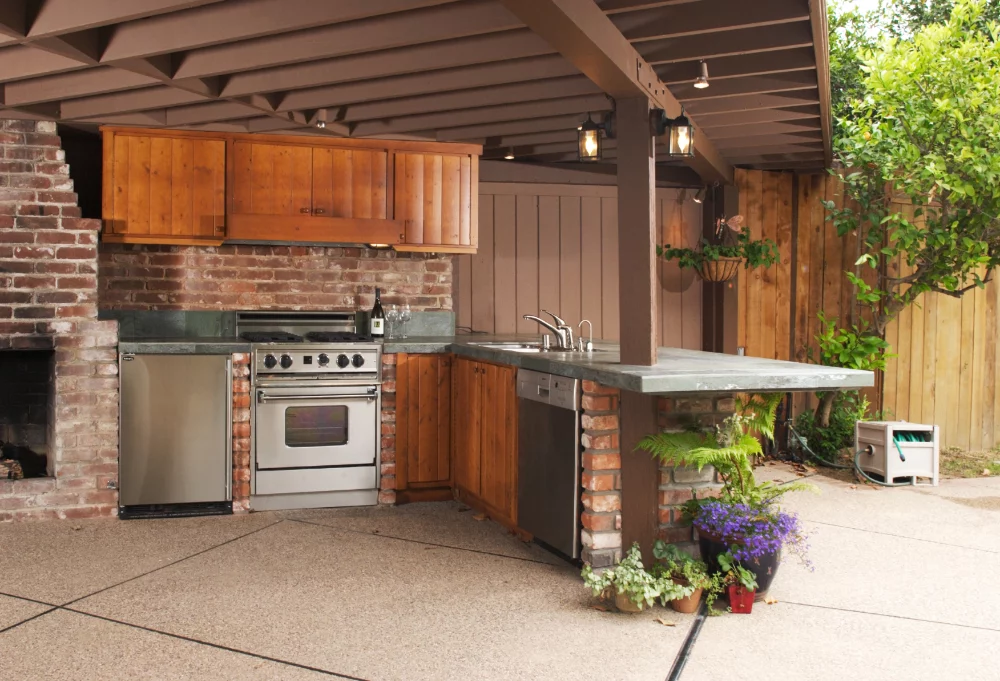
Living in Miami means enjoying one of the most beautiful coastal environments in the world. The warm breezes, the turquoise water, the year-round sunshine; it all makes outdoor living feel like a permanent vacation. But if you have an outdoor kitchen, that same salty ocean air that makes Miami so magical can quietly wage war on your appliances. Salt air corrosion is one of the most underestimated threats to outdoor kitchen maintenance in coastal communities, and Miami homeowners are especially vulnerable.
Understanding why this happens, and what you can do to stop it, can save you thousands of dollars in appliance repair costs and keep your outdoor kitchen looking and performing like new for years to come.
Why Salt Air Is Especially Destructive in Miami
Miami sits at the edge of Biscayne Bay and the Atlantic Ocean, which means nearly every neighborhood in the city experiences some level of salt-laden air. The closer you are to the water, the more aggressive the exposure. Salt particles suspended in the air settle on metal surfaces and begin a chemical process called oxidation. Over time, this process eats through protective coatings, stainless steel finishes, and even the internal components of grills, refrigerators, and other outdoor appliances.
What makes coastal appliance care in Miami particularly challenging is the combination of salt air, high humidity, and intense UV exposure. These three environmental factors work together to accelerate deterioration at a rate far faster than you would see in a dry, inland climate. Stainless steel, which is often marketed as rust-resistant, is not immune. In fact, many Miami homeowners are surprised to discover rust forming on supposedly corrosion-resistant surfaces within just a few years of installation. Lower grades of stainless steel are especially susceptible, and coastal conditions reveal those weaknesses quickly.
The Most Vulnerable Appliances in Your Outdoor Kitchen
Not all outdoor kitchen appliances corrode at the same rate, but most are vulnerable in some way to salt air corrosion. Grills are typically the most exposed because they sit in the open air, absorb grease and food residue, and experience extreme temperature fluctuations. The burners, grates, and interior components of a grill are often the first to show signs of rust and pitting.
Outdoor refrigerators and ice makers are also at high risk because their condenser coils and compressor components are exposed to airborne salt particles. Salt can clog coils, reduce efficiency, and eventually cause compressor failure. If your outdoor fridge is working harder than usual or failing to maintain temperature, salt buildup may already be a factor.
Outdoor pizza ovens, side burners, and smokers face similar challenges. Even appliances made from cast iron or powder-coated steel will break down faster in Miami’s coastal environment without consistent care. Ventilation components, electrical connections, and control panels are also vulnerable points where salt and moisture can cause serious damage over time. This is why staying ahead of the problem with regular outdoor kitchen maintenance is so important for Miami homeowners.
Daily and Weekly Habits That Protect Your Appliances
Prevention is always more affordable than appliance repair, and the good news is that a few simple daily and weekly habits can dramatically slow the effects of salt air corrosion on your outdoor kitchen appliances.
After every use, wipe down all metal surfaces with a clean, dry cloth. This removes salt deposits, grease, and moisture before they have a chance to settle into the finish. For stainless steel surfaces, using a microfiber cloth and wiping in the direction of the grain helps maintain the protective layer on the surface and prevents micro-scratches that give corrosion a foothold.
Once a week, apply a stainless steel protectant or a food-safe mineral oil to exposed metal surfaces. These products create a thin barrier between the metal and the salt air, reducing oxidation. Pay special attention to hinges, knobs, burner caps, and any area where two different metals meet, since these junctions are especially prone to galvanic corrosion in coastal environments.
Invest in high-quality appliance covers and use them consistently whenever your outdoor kitchen is not in use. This is one of the most effective and affordable forms of coastal appliance care available. Covers prevent direct salt air exposure, reduce UV damage, and keep moisture from settling on surfaces overnight.
Rinse the exterior of your outdoor refrigerator and grill with fresh water at least once a week. This is a simple step that many homeowners overlook, but it is incredibly effective at removing salt buildup before it bonds to the surface. Avoid high-pressure washing, which can force water into seals and electrical components.
Seasonal Deep Cleaning and Professional Maintenance
Beyond daily and weekly care, your Miami outdoor kitchen needs a thorough deep cleaning at least twice a year. Many homeowners choose to schedule these sessions at the start and end of the peak outdoor entertaining season, which in Miami essentially means before and after the summer rainy season.
During a deep clean, remove all grill grates, burner covers, and drip trays and scrub them with a degreaser formulated for outdoor use. Inspect every surface for early signs of rust or pitting. Catching corrosion early means you can treat it with a rust-neutralizing product before it spreads. If you notice rust that has already penetrated the surface, sanding and resealing the affected area can prevent further damage.
For your outdoor refrigerator and any other appliances with mechanical or electrical components, consider scheduling a professional appliance repair and maintenance visit at least once a year. A technician familiar with coastal appliance care in Miami will know exactly where to look for salt and moisture damage. They can clean condenser coils, inspect compressor performance, check electrical connections for corrosion, and identify early warning signs before they become expensive failures.
It is also worth checking the caulking and sealing around built-in appliances periodically. Salt air and moisture can break down sealants over time, creating gaps where water and humidity can penetrate countertops and cabinetry. Replacing worn sealant is a low-cost maintenance task that protects both your appliances and the surrounding structure of your outdoor kitchen.
Choosing the Right Appliances for Miami’s Coastal Climate
If you are planning a new outdoor kitchen or replacing aging appliances, making smart material choices from the start will reduce your long-term maintenance burden significantly. For Miami’s coastal environment, look for appliances built with marine-grade 316 stainless steel rather than the more common 304 grade. The difference comes down to chemical composition: 316 stainless contains molybdenum, which gives it superior resistance to chloride corrosion, the specific type of damage caused by salt air.
Aluminum and coated cast iron components are also worth considering for grates and hardware, as they handle coastal conditions better than untreated steel. Some premium outdoor kitchen brands now offer lines specifically designed for coastal climates, with sealed burners, protected electrical components, and finishes engineered to withstand prolonged salt air exposure.
For cabinetry and countertops, avoid materials that absorb moisture. Marine-grade polymer cabinets, teak, and sealed concrete countertops all perform well in Miami’s humid coastal environment. Avoid untreated wood or materials with porous surfaces that can trap salt and moisture.
Conclusion
Salt air corrosion is a real and ongoing challenge for Miami homeowners with outdoor kitchens, but it is entirely manageable with the right approach. Consistent daily care, seasonal deep cleaning, smart material choices, and professional appliance repair when needed will keep your outdoor kitchen performing at its best for years to come. Coastal living in Miami is one of life’s great pleasures; protecting your investment just means you get to enjoy it longer.
Need Appliance Repair & Maintenance Near You?
Whether your washer, dryer, refrigerator, freezer, oven, cooktop, microwave, or dishwasher is giving you trouble, our expert technicians are ready to bring reliable, professional service right to your door. We work on all major brands, including Admiral, Amana, Electrolux, Frigidaire, GE, Kenmore, LG, Maytag, Subzero, Whirlpool, and more, and we’d love the opportunity to show you why generations of Miami homeowners continue to count on us. Reach out to us today and let us get your home running smoothly again!